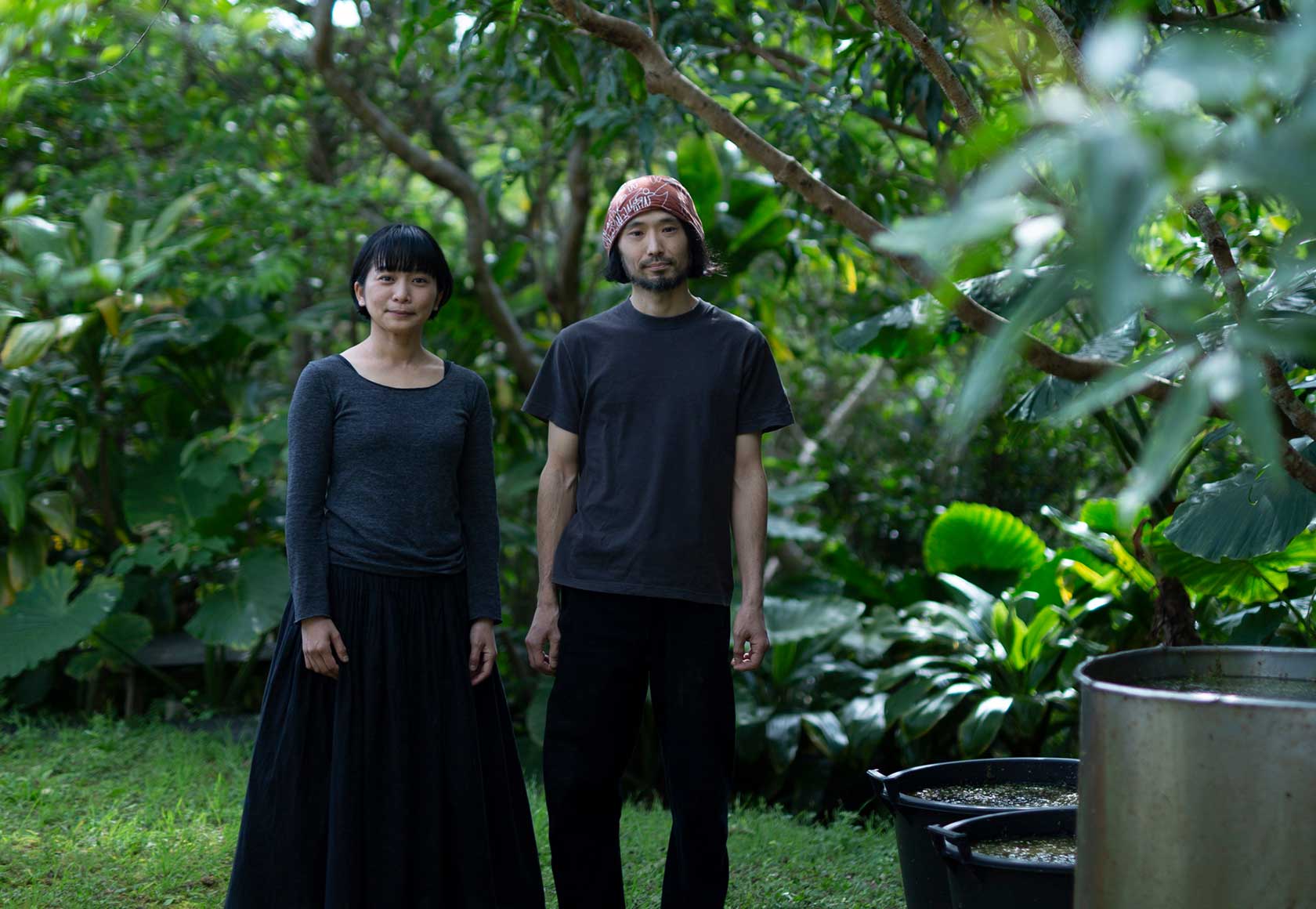
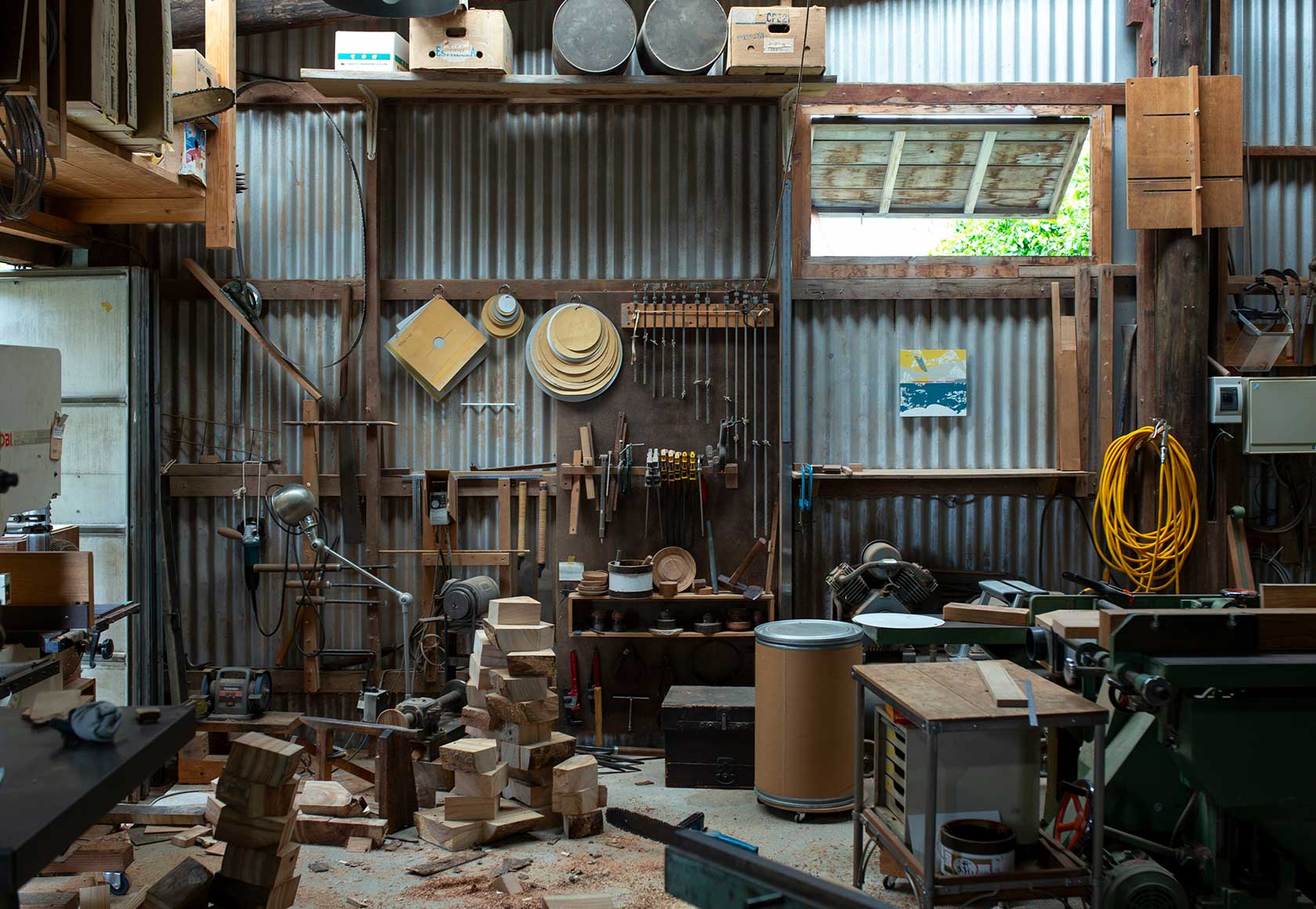
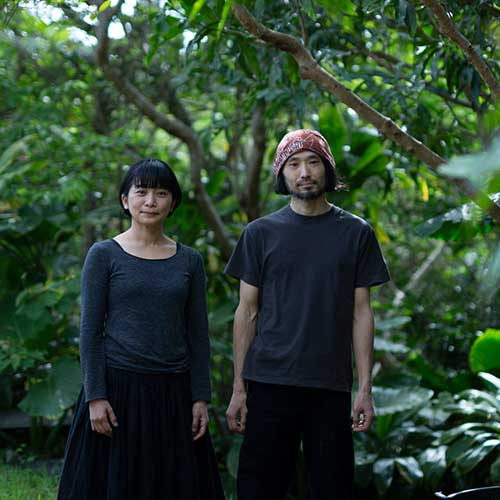
二人はそれぞれ沖縄県工芸指導所(現:沖縄県工芸振興センター)で学び、後に石川県の輪島で弟子入りしている。
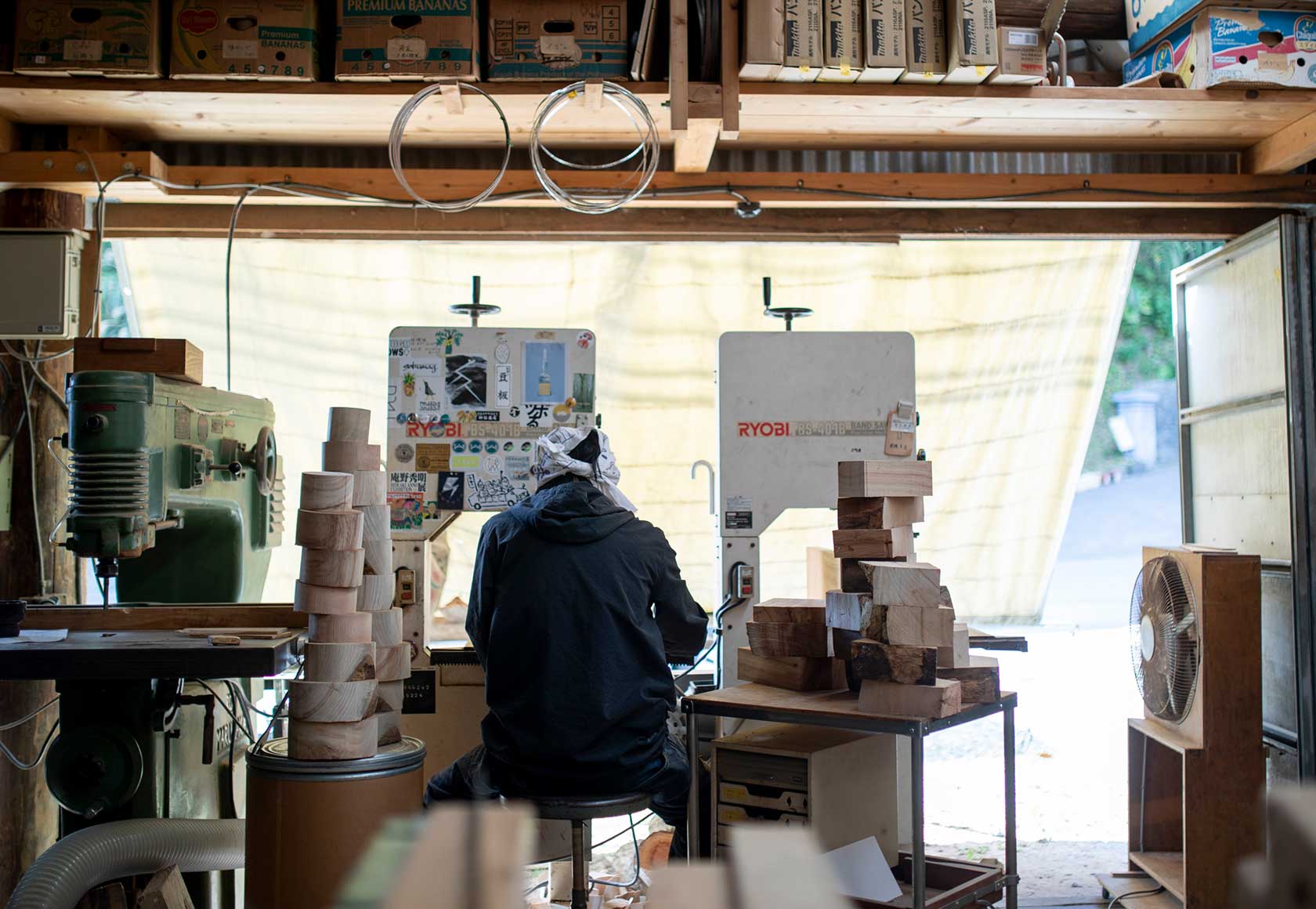
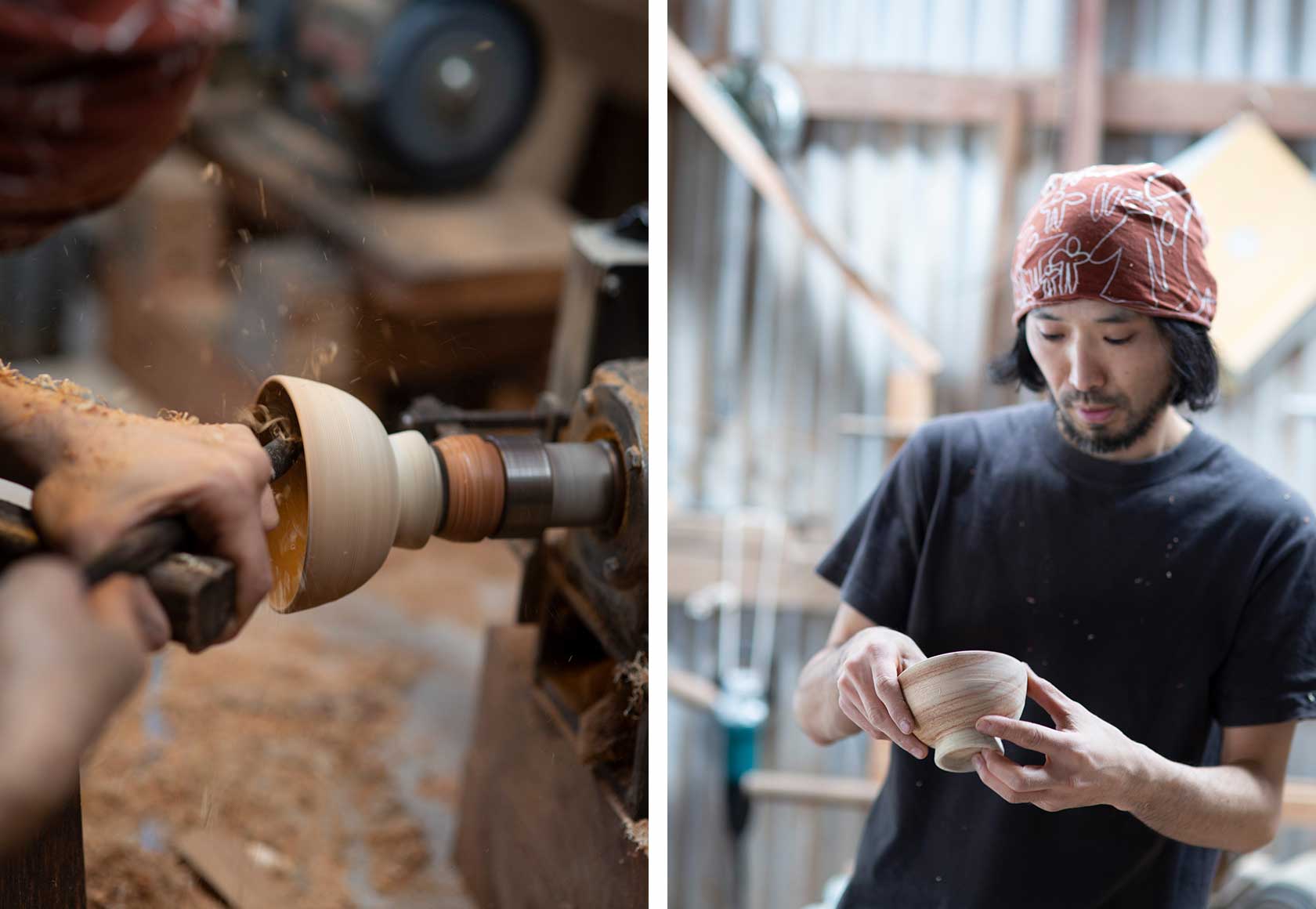
「僕は空間や家具に興味があって、工芸指導所の木工コースに入ったんです。沖縄は台風やシロアリの被害に遭うので、木材加工の技術が伝統としてあまり残っていなくて…。手の道具を使える人もほとんどいなくなっているんです。それで昔から脈々と技術が受け継がれている土地で、自分も技術を身につけさせてもらいたいと思って、20代の時に沖縄を出ました」
弘幸さんはある江戸指物師に憧れ東京へ向かったそうだが、どうにも弟子入りはかなわなかった。そして先に輪島で弟子入りしていた愛さんを訪ねたことをきっかけに、鑿といった道具を使う手の仕事が学べる、輪島の桐本木工所で修業することになったという。
Both Ai and Hiroyuki began their journey in craft at Okinawa Traditional Pottery Guidance Center (now Okinawa Promotion Center of Arts and Craft) and later moved to Wajima in Ishikawa Prefecture to be an apprentice.
“I was originally interested in spaces and furniture, so I joined the woodworking course,” Hiroyuki explains. “In Okinawa, traditional woodworking hasn’t really survived. Typhoons and termites cause a lot of damage, and few people know how to use hand tools. I wanted to learn authentic techniques in a place where skills had been passed down continuously over generations, so in my twenties, I left Okinawa.”
Initially drawn to an Edo-style cabinetmaker in Tokyo, Hiroyuki had hoped to become his apprentice, but things didn’t work out. Eventually, he traveled to Wajima to visit Ai, who had already begun her apprenticeship there. That visit became a turning point. Inspired by the work at Kirimoto—where hand tools like planes and chisels were still in active use—he began his own training there.
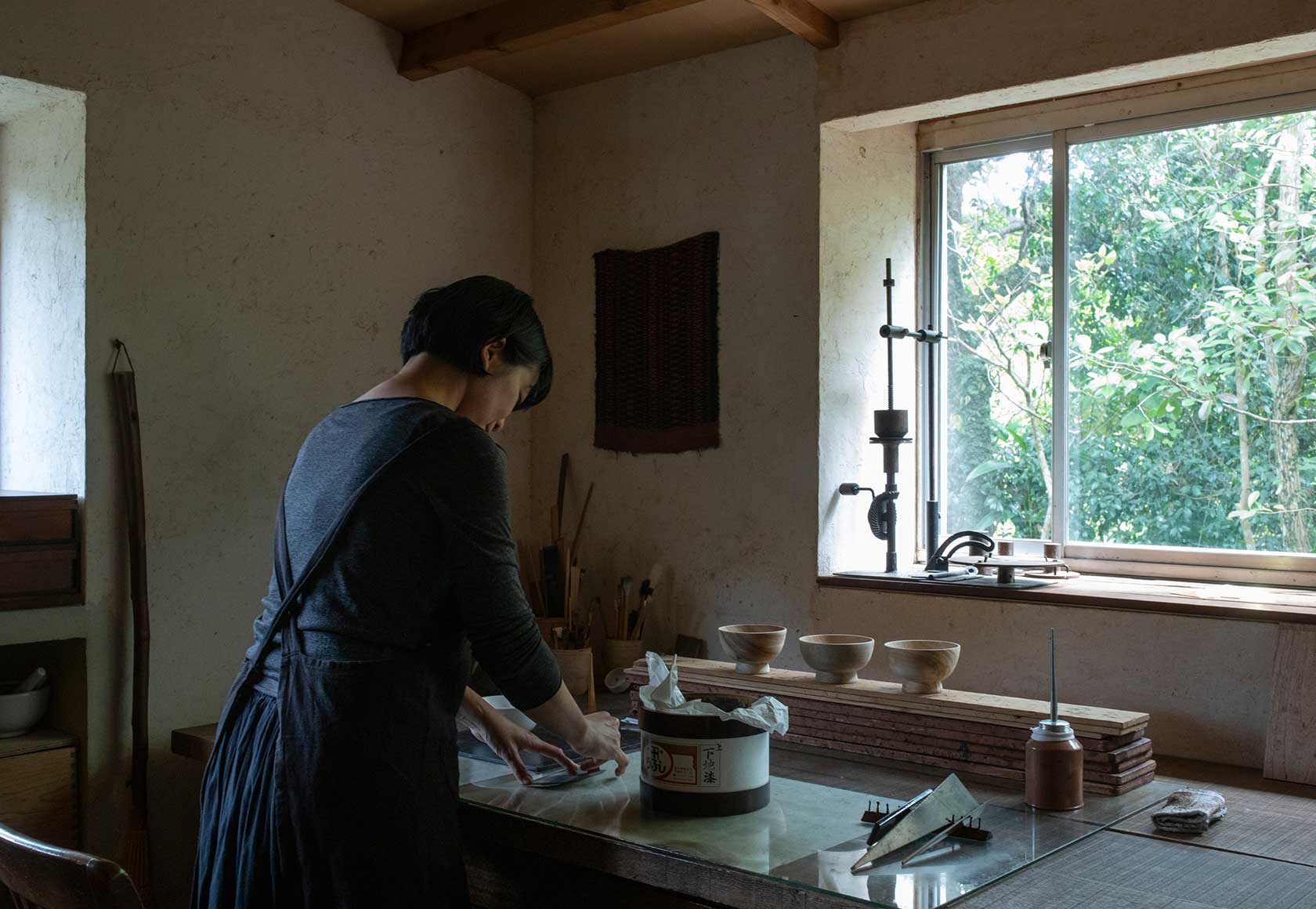
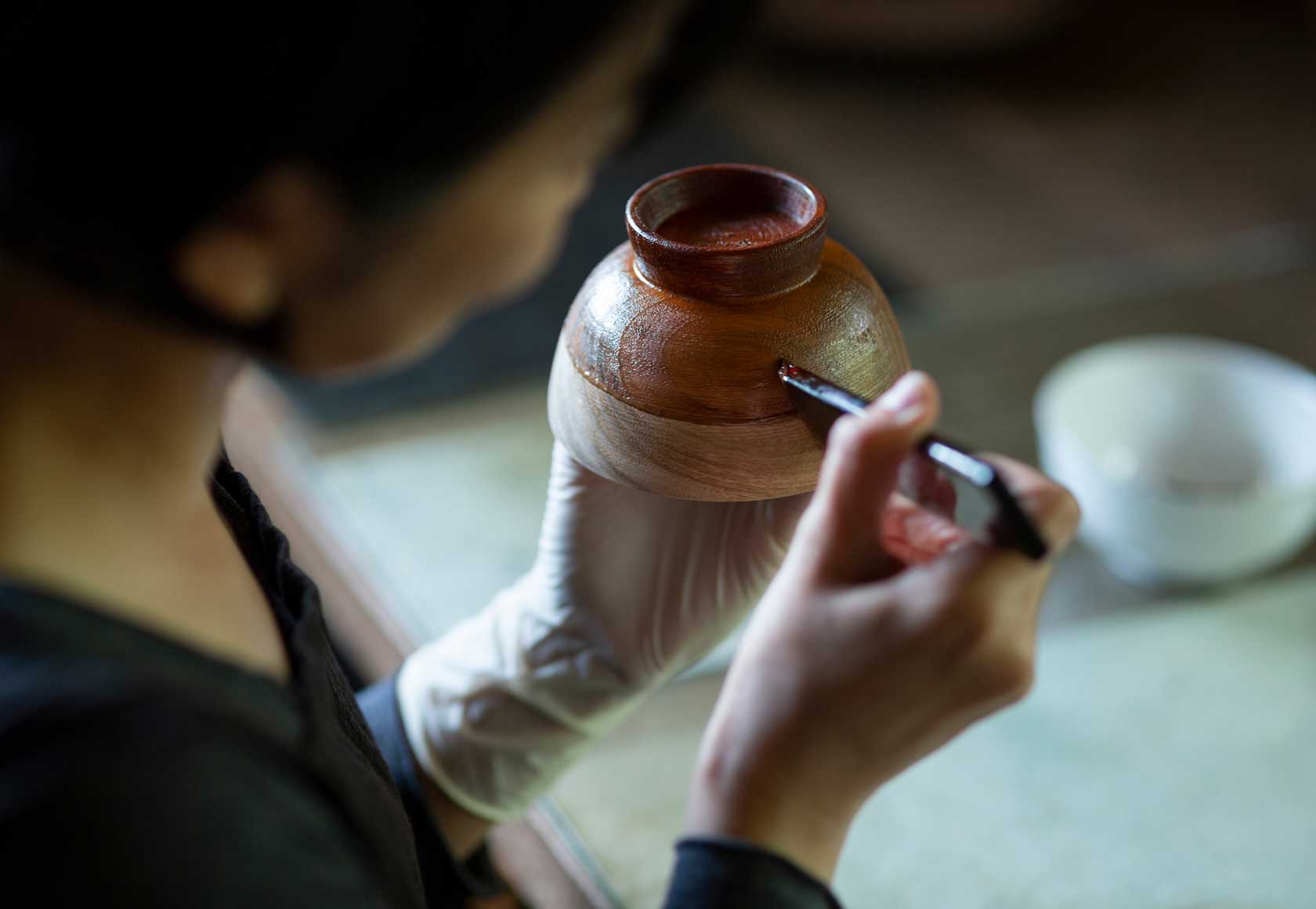
「私は工芸指導所の漆コースに入る前は、洋裁が好きで、アパレルの店で布小物をつくっていました。でも基本を習ったことはなかったので、布をつくるところから勉強したいなと思うようになって。そこをきっかけに工芸に興味が向いて、漆に出会ったんです。漆は、何かものを見て感動したというよりも、漆器がつくられる工程とか、しっかりとつくられた漆器は長く使い続けることができるとか、そういう漆の性質や職人仕事にすごく感動してしまって。そんなにいいものなのであれば、もっと日常に使える漆のものをつくりたいなと思ったんです」
指導所を出た後も漆を学びたいと考えた愛さんは、漆器の産地である輪島を見学。いくつかの工房を訪ね、下地職人の経験を生かした漆器づくりをしている福田敏雄さんの仕事に感銘を受けて、志願して弟子入りした。
その後、輪島で4年間修業した二人は弟子を終える年季明けを迎え、職人になったのを機に結婚した。しばらく職人として、愛さんは福田敏雄さんの他に塗師の赤木明登さんのところで、弘幸さんは桐本木工所で働いた。
「輪島は職人町だったので、人それぞれのやり方があるんです。親方や兄弟子もいて、いろんな仕事のやり方をそばで見ることができました。自分に合う方法とか、見ていただけのやり方をふとした時に思い出してやってみたりとか。今までたくさんの職人たちが築いてきた流れを自分の中に1回入れるというのは、私たちにとってはとても良くて。輪島での修行期間は宝だと思っています」と愛さん。
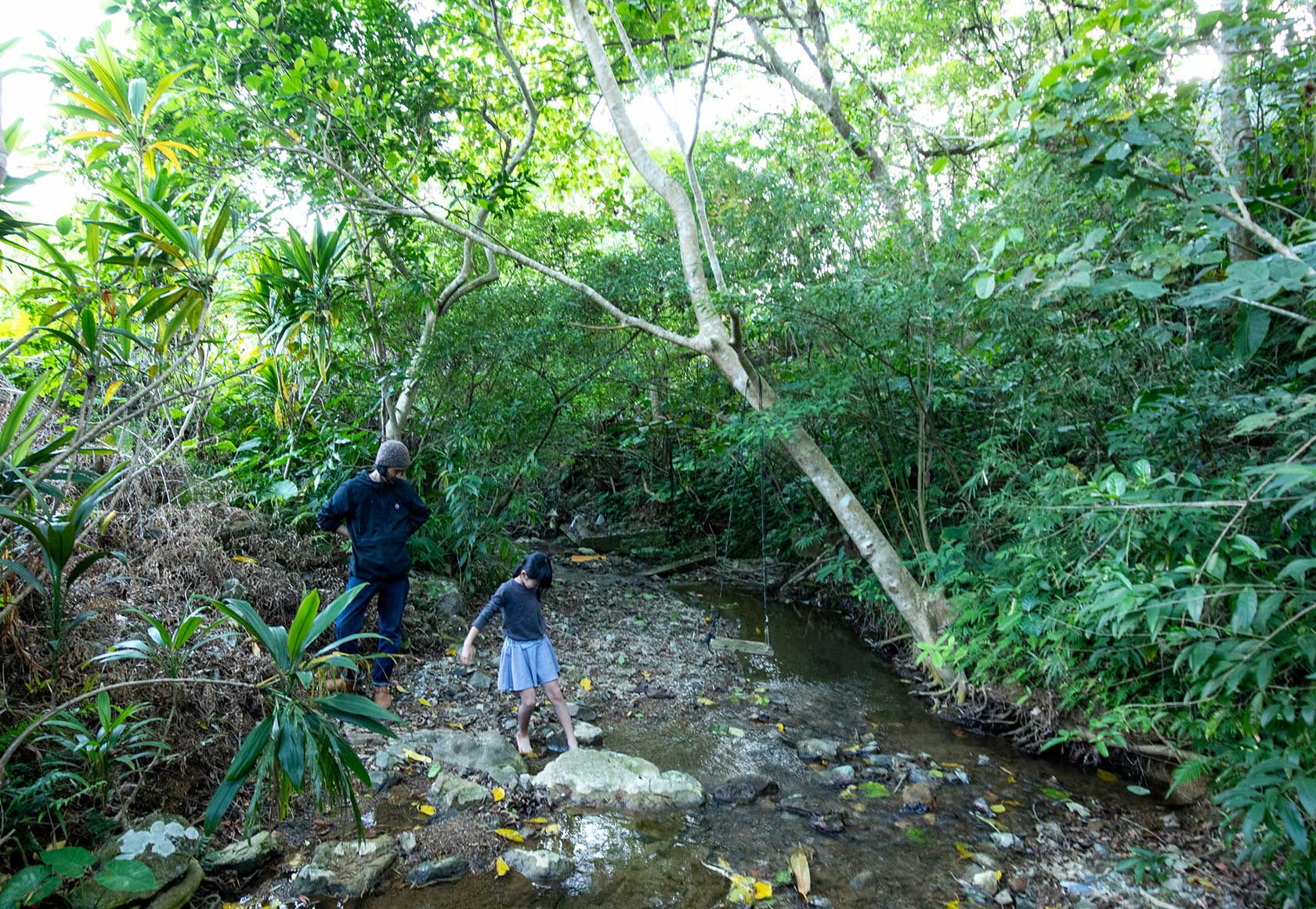
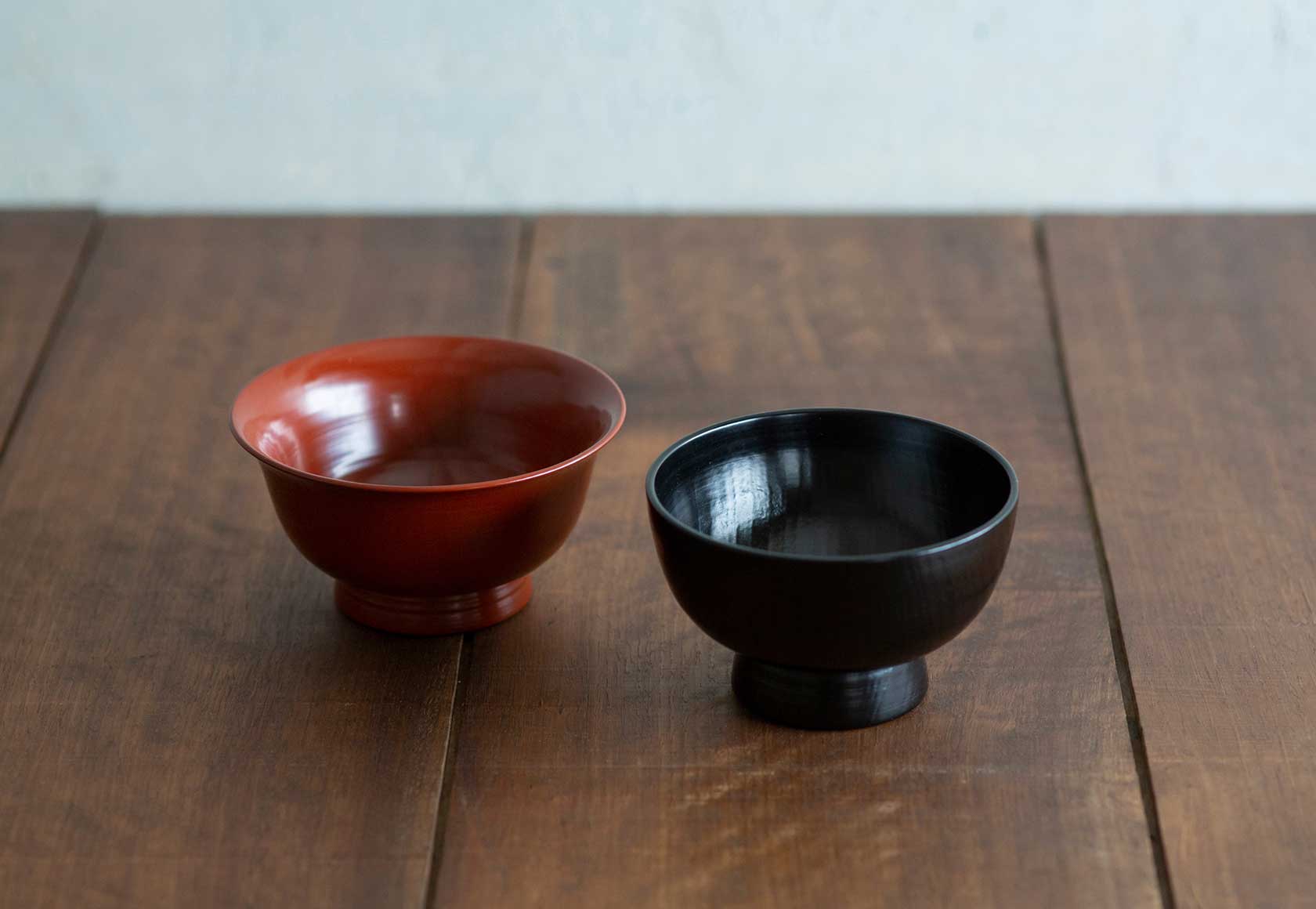
子どもが生まれ、そろそろ自分たちでつくってみたいと思うようになり、2010年に沖縄に戻って独立した。
Ai, meanwhile, was first drawn to crafts through her love of sewing. “Before entering the lacquerware section, I worked in an apparel shop making small fabric goods,” she recalls. “I didn’t have formal training, so I wanted to learn about textiles from scratch. That curiosity led me to crafts, and eventually to urushi (lacquer). It wasn’t a single object that moved me—instead, I was fascinated by the process, by the durability of well-made lacquerware, and the care put into the work. The more I learned, the more I felt that I wanted to create lacquerware people could use in everyday life.”
After completing her course, Ai traveled to Wajima to deepen her skills. Visiting various workshops, she was particularly struck by the work of Fukuda Toshio, a master of foundation coatings, and she approached him to become his apprentice.
After four years of intensive training, the two completed their respective apprenticeships and became full-fledged artisans. Around that time, they married. Ai continued working for both Fukuda and the lacquer artist Akagi Akito, while Hiroyuki stayed on at Kirimoto.
“Wajima is a town of craftsmen,” Ai reflects. “Everyone has their own way of doing things. You learn from your master, from senior apprentices, and by simply observing different techniques. Sometimes a method I saw just once comes back to me when I need it. Being immersed in a lineage built by so many craftsmen—that was incredibly valuable for us. Our time in Wajima was truly a treasure.”
With the birth of their child and a growing desire to create their own work, the couple returned to Okinawa in 2010 and established their independent practice.